The problem is not ideas. It is capture.
Most operational teams do not suffer from a lack of thoughts, observations, fixes, or next steps. The problem is that too much of that thinking stays trapped in the moment. Someone notices a bug, spots a weak section of a page, has a better way to explain a service, or works out why a workflow is dragging. Then the work moves on and the context gets compressed into a vague message later.
That gap is expensive. A short typed note often loses the reason behind the decision. A task without context becomes harder to execute. A prompt without the real situation produces weaker output. A client update written at the end of the day becomes less precise than the thought that happened in the middle of the work.
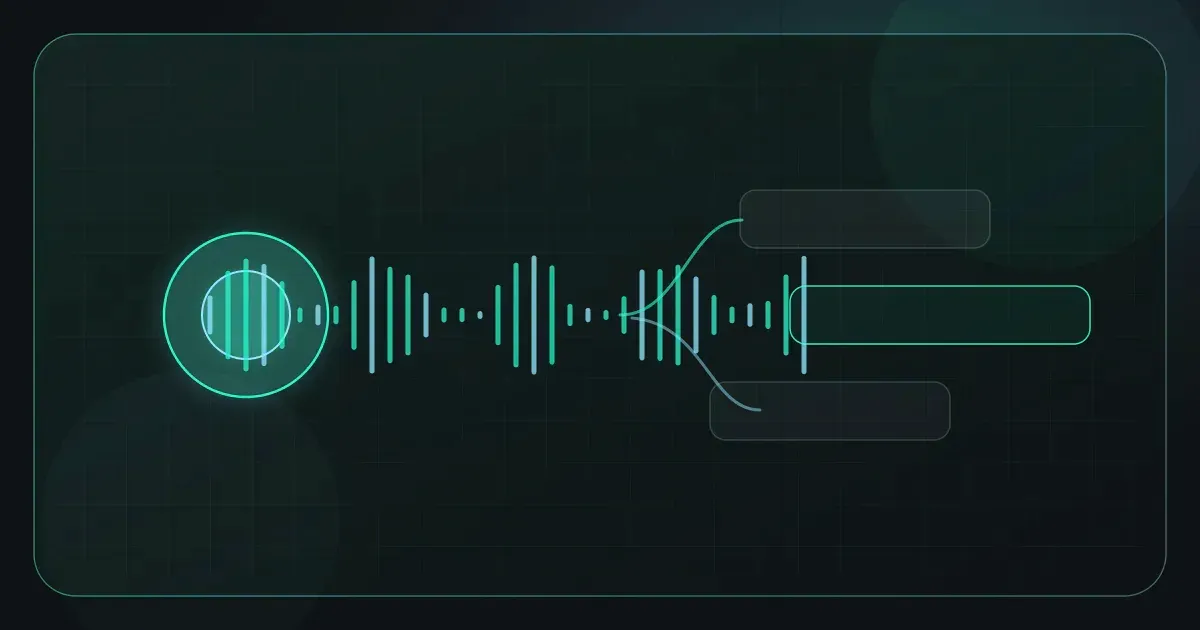
This is where voice-first tools like Flow are useful for us. The value is not that speaking is impressive. The value is that it lets the operator capture more of the working context before it disappears. The rough thought becomes a usable brief much faster.
Key Points
- The bottleneck is often context capture, not idea generation.
- Typed notes can flatten the reasoning behind a decision.
- Voice lets the thinking stage stay closer to the execution stage.